
永不磨灭的番号
China AI-generated actress’s contact lens ad pulled after netizen backlash its credibility_我的网站

一 |
据中央气象台此前预报,今年第12号台风“梅花”预计于9月14日夜间在浙江嘉兴到上海浦东一带沿海再次登陆,为确保铁路运输安全,铁路部门继续调整9月15日至16日赣闽两省始发、终到往返上海、无锡等方向,以及途经赣闽两省前往广州、成都、六盘水等方向部分旅客列车运行方案。
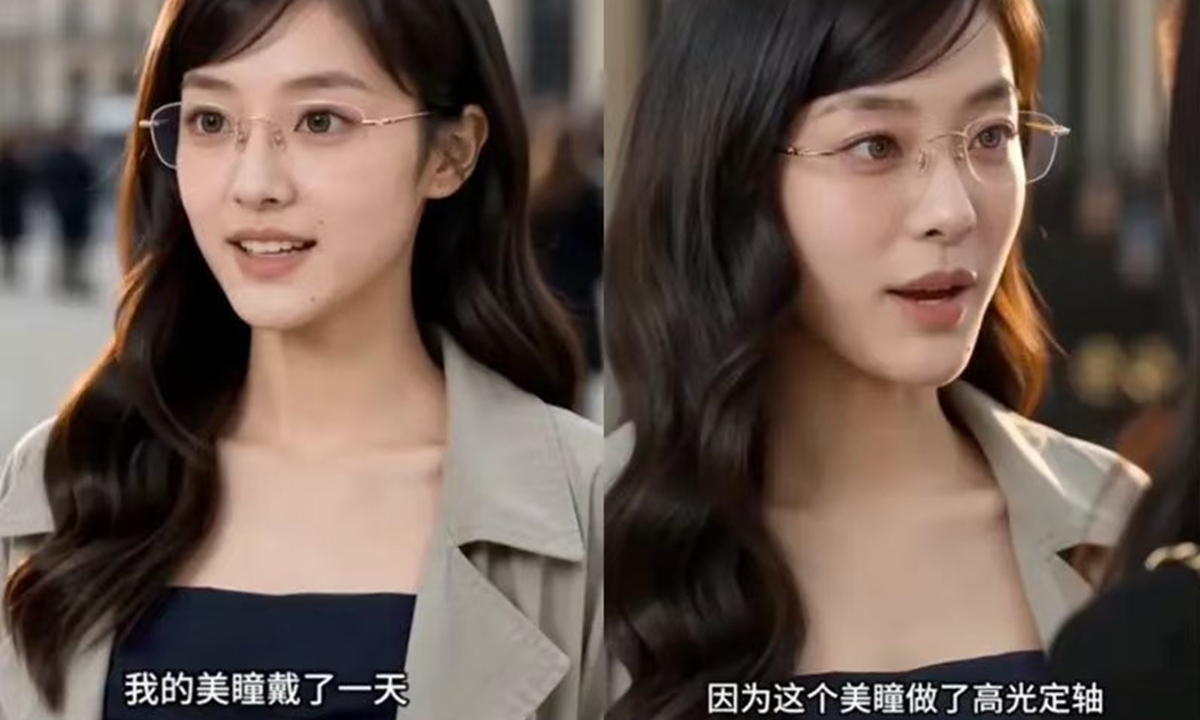
The AI persona, Fang Taozi, rose to fame as the female lead in hit short drama The Laid-off Girl, which has garnered more than 200 million views.
In the now-removed ad, Fang said the lenses were "comfortable to wear all day" and the product used a technique to keep them stable, urging users to "blink with confidence," China Youth Daily reported on Sunday.
The claims drew fierce backlash from Chinese netizens, who argued the virtual AI figure cannot wear contact lenses, making its "personal claim of comfort" entirely "uncredible and misleading to consumers." The video is no longer searchable on her page, and her agency did not immediately comment, according to the report.
Lawyers said colored contact lenses are regulated as Class III medical devices in China. The country's Advertising Law prohibits using a spokesperson to recommend or certify medical devices, and such ads must undergo review before publication.
The Advertising Law actually stipulated that a brand ambassador must personally try the product first before endorsing it in an ad.
Wu Xiaolin, a Beijing-based lawyer, told the Global Times that under the law, an advertising endorser is defined as a natural person, legal entity or other organization making a recommendation in its own name or image.
"AI digital humans do not have independent legal personality and cannot be advertising endorsers," Wu said, adding that advertisers still bear responsibility for the truthfulness of content and may face penalties for false advertising.
While AI digital avatars are not bound by the legal clauses governing human endorsers, Wu stressed that the ad's firsthand usage experience claims constitute alleged false promotion. Relevant legal liabilities for false advertising will fall on the brand advertiser and the campaign operator rather than the AI avatar itself.
Shanghai-based outlet The Paper reported that Fang's first commercial deal on July 31 listed rates as high as 258,000 yuan ($38,236) for videos exceeding 60 seconds, outstripping many human influencers with millions of followers. An MCN agency source later cast doubt on those figures, saying the actual rate was about 88,000 yuan.
A Global Times reporter noticed that the rise of AI short drama commercial endorsements has become a prevalent industry trend in China, with virtual leads of multiple popular short dramas regularly posting sponsored content for beauty, skincare, beverage and other consumer brands.
Feng Anrong, a director who runs an AI production studio, told the Global Times that commercial endorsements have become a major revenue source for many short drama production teams.
As AI-generated marketing expands, the controversy has exposed a grey area with legal provisions in place and regulatory oversight inadequate. A consumer hotline told local media that the matter has been referred to market regulators in the local district for handling, per China Youth Daily.
。为防范台风“梅花”对铁路线路带来的影响,中国铁路南昌局集团公司龙岩、福州、永安、赣州等工务单位严格落实“防、避、抢”工作要求,深入开展防洪防台安全隐患排查,通过无人机航拍、3D建模等方式甄别潜在安全风险。同时,做好片石、平板车料具和应急抢修队伍的储备,确保台风期间的铁路线路安全畅通。
。The AI persona, Fang Taozi, rose to fame as the female lead in hit short drama The Laid-off Girl, which has garnered more than 200 million views.
In the now-removed ad, Fang said the lenses were "comfortable to wear all day" and the product used a technique to keep them stable, urging users to "blink with confidence," China Youth Daily reported on Sunday.
The claims drew fierce backlash from Chinese netizens, who argued the virtual AI figure cannot wear contact lenses, making its "personal claim of comfort" entirely "uncredible and misleading to consumers." The video is no longer searchable on her page, and her agency did not immediately comment, according to the report.
Lawyers said colored contact lenses are regulated as Class III medical devices in China. The country's Advertising Law prohibits using a spokesperson to recommend or certify medical devices, and such ads must undergo review before publication.
The Advertising Law actually stipulated that a brand ambassador must personally try the product first before endorsing it in an ad.
Wu Xiaolin, a Beijing-based lawyer, told the Global Times that under the law, an advertising endorser is defined as a natural person, legal entity or other organization making a recommendation in its own name or image.
"AI digital humans do not have independent legal personality and cannot be advertising endorsers," Wu said, adding that advertisers still bear responsibility for the truthfulness of content and may face penalties for false advertising.
While AI digital avatars are not bound by the legal clauses governing human endorsers, Wu stressed that the ad's firsthand usage experience claims constitute alleged false promotion. Relevant legal liabilities for false advertising will fall on the brand advertiser and the campaign operator rather than the AI avatar itself.
Shanghai-based outlet The Paper reported that Fang's first commercial deal on July 31 listed rates as high as 258,000 yuan ($38,236) for videos exceeding 60 seconds, outstripping many human influencers with millions of followers. An MCN agency source later cast doubt on those figures, saying the actual rate was about 88,000 yuan.
A Global Times reporter noticed that the rise of AI short drama commercial endorsements has become a prevalent industry trend in China, with virtual leads of multiple popular short dramas regularly posting sponsored content for beauty, skincare, beverage and other consumer brands.
Feng Anrong, a director who runs an AI production studio, told the Global Times that commercial endorsements have become a major revenue source for many short drama production teams.
As AI-generated marketing expands, the controversy has exposed a grey area with legal provisions in place and regulatory oversight inadequate. A consumer hotline told local media that the matter has been referred to market regulators in the local district for handling, per China Youth Daily.
。为防范台风“梅花”对铁路线路带来的影响,中国铁路南昌局集团公司龙岩、福州、永安、赣州等工务单位严格落实“防、避、抢”工作要求,深入开展防洪防台安全隐患排查,通过无人机航拍、3D建模等方式甄别潜在安全风险。同时,做好片石、平板车料具和应急抢修队伍的储备,确保台风期间的铁路线路安全畅通。

二 | 台风登陆期间,中国铁路南昌局集团有限公司将密切关注台风动向和影响范围,并结合风速雨量实际情况,采取限速、停运、迂回、折返、加开、恢复开行等措施,动态调整列车开行方案。

三 | 同时,将加大铁路设备巡检以及铁路外部环境安全排查,确保旅客出行安全。铁路部门提示,旅客朋友可通过关注12306铁路客服平台,或车站大屏幕、广播、公告等发布的信息,及时了解列车开行情况,合理安排行程。(总台记者 殷一元 杜曦晨)
Current article:http://cuozubeishenjingli.cfd/list_w13w2j/7u7g.html
Published on:15:35:47