
大秦帝国
Maharashtra's Chief Minister Shri Devendra Fadnavis Visits Mirchi Office_我的网站

A | 98.3FM Mirchi, Mumbai’s No. 1 radio station, for over 23 years, has been the heartbeat of the city, capturing the pulse of Mumbaikars and delivering their daily dose of music, entertainment, and local flavour. After years of operating from its iconic South Mumbai studio at Matulya Centre, Mirchi has now moved to Kalina with its modern, state-of-the-art studio. The highlight of the celebration was the official inauguration led by the Honourable Chief Minister of Maharashtra, Shri Devendra Fadnavis. In true Mirchi style, the CM inaugurated the studio by cutting a one-of-a-kind red-chilli ribbon, perfectly capturing Mirchi’s spicy, bold spirit.The Chief Minister joined Mirchi RJs Jeeturaaj and Bhushan for a freewheeling and engaging chat where he spoke about his vision for Maharashtra, pollution issues, upcoming Kumbh Mela, his love for poetry amongst other things. The CM also added a delightful touch of humour and wisdom to the occasion, remarking that whether it’s food or life, having a little Mirchi is essential. His comment not only drew laughter all around but beautifully echoed what the brand stands for: energy, flavour, excitement and a spark that makes everyday moments more enjoyable.To commemorate the special occasion, Shri Devendra Fadnavis left a witty message on the Mirchi studio pillar: “Mirchi is hot, I am cool.” With that one line, he perfectly captured the spirited, light-hearted energy of the inauguration, blending Mirchi’s signature spice with his own effortless charm. To wrap up evening the Honourable Chief Minister took a selfie with all the Mirchi employees and jokingly added whether he passed or failed to become the next Radio Mirchi RJ.With this new studio, Mirchi continues to elevate its legacy while opening the doors to an exciting new chapter in Mumbai’s entertainment landscape.Also Read: Shah Rukh Khan Pens Emotional Message As Andre Russell Retires From IPL。
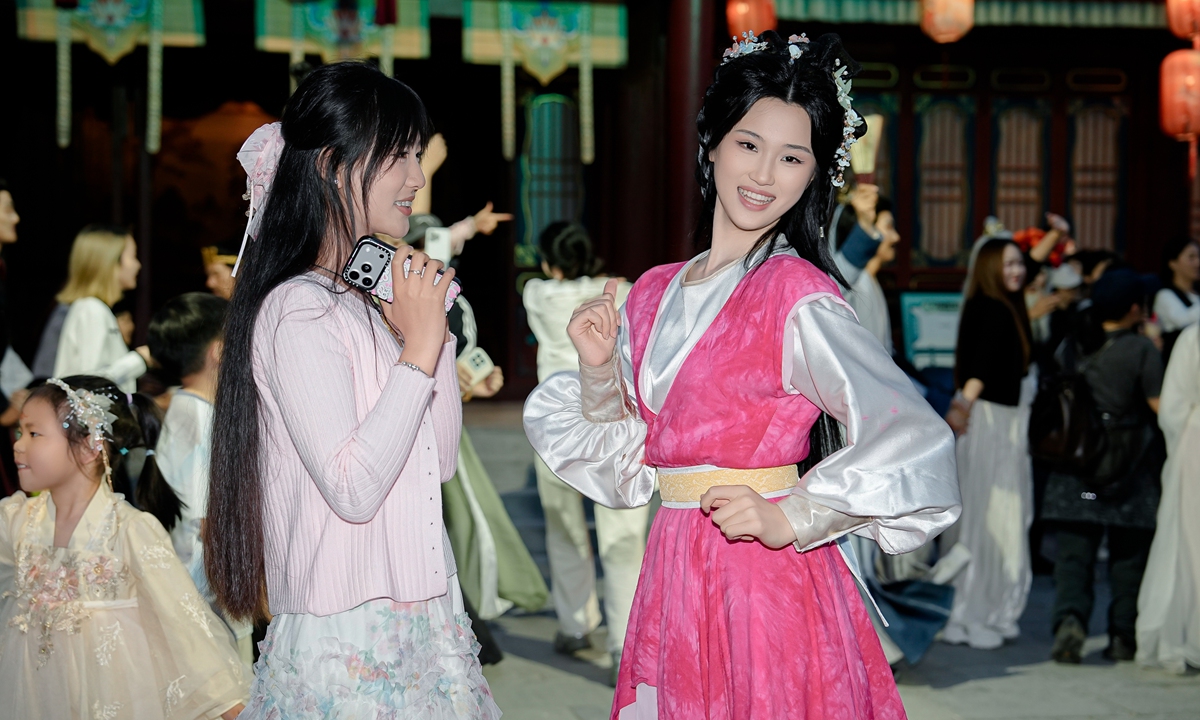
There, they play martial arts heroes and folk characters for live audiences, finding steadier income and real-time connection with viewers.
"Earning a living with your own hands is nothing to be ashamed of," actress Luo Xinyuan told the Global Times, even as many still hold out hope, waiting for good scripts.
The migration reflects a stark reality. In the first quarter of 2026, AI micro-dramas accounted for more than 95 percent of all micro-dramas released industry-wide, sharply squeezing the space for live-action productions.
By July, pay for leading actors had shrunk by over 50 percent, mid-tier actors by more than 80 percent on average, and daily wages for bottom-rung extras had fallen into double digits, China's CCTV reported.
Luo, a 21-year-old actress, experienced the downturn firsthand. She came to Hengdian, China's largest film and television production base, to shoot short dramas. "When I first arrived, there were many crews preparing in one hotel. Now sometimes there are only one or two, or none," she told the Global Times.
This May, she began playing the role of Huang Rong, a beloved wuxia heroine, at Hengdian World Studios. Her daily routine includes interactive stage competitions, parades and live audience interactions, working nearly 13 hours daily during the peak summer season.
"It's tiring but fulfilling," Luo said. "There are no scripts here. It's more about playing with visitors face to face." The change has eased her anxiety. "When I was filming, I kept worrying about the next job. Now I feel more stable."
Yin Jiaxuan, 25, took a different route. He started his career as a professional character performer at major theme parks, starring in immersive shows based on popular game and film IPs before transitioning to short dramas and online movies in mid-2024.
At the industry's peak, he moved seamlessly between sets.
"One crew wrapped, and the next was already arranged. I'd go straight to makeup the next day and start filming the day after," he said. Now he keeps both identities, taking film roles when they come and returning to scenic spots during holidays.
Yin rejects the stigma that screen acting is the only proper path.
"Screen acting is seen as the professional main road, while street-level performance is treated as amateur work. This invisible prejudice has trapped many performers," he said. Yet the tangible stage offers something the camera cannot.
"Performance comes from life and is higher than life - that is the core of film creation. But now I realize that beyond artistic expression, performance is about building human connections."
Both actors shared that theme park characters must do more than act; they must draw tourists into the scene, delivering emotional value on demand. Visitors come to the scenic spot not just to sightsee, but "to step into a fantasy."
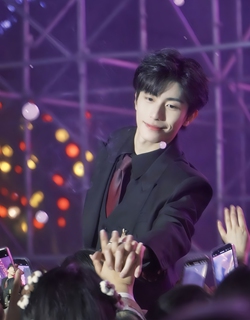
Every extra 30 minutes of stay raises the probability of secondary consumption by about 25 percent, according to local data. Revenue jumped from about 80 million yuan ($11.86 million) in 2022 to 1.27 billion yuan in 2025.
While Hengdian World Studios has used characters to boost repeat visits, with annual pass holders returning multiple times "for a specific character."
Cultural scholar Yu Jinlong told the Global Times that the influx of trained actors is upgrading immersive tourism.
"In the past, theme park characters were mostly amateurs doing costume photos. Now professional actors can build complete characters, improvise and connect storylines, turning scenic spots into open-air theaters," he said.
Yu pointed out the uniqueness of China's character boom compared with global immersive entertainment.
"Unlike Western theme parks that rely heavily on mature imported IPs and standardized performances, China's scenic character culture is rooted in local wuxia (martial hero) history and folk customs, encouraging personalized improvisation. Many local scenic spots create hit immersive projects with small investments, forming a unique online-offline communication loop via social media," Yu said.
As China's cultural consumption shifts from sightseeing to participation, Yu said the young actors swapping short drama sets for scenic spots may be shaping a new hybrid career for the country's entertainment workforce.
For Luo, the recognition from visitors is a reward in itself.
"There are tourists who travel from far away just to see my performance. It feels good to be recognized," she said. "Actually, I'm still exploring too. But I think you should do what you love, as long as you have the ability."
。
Current article:http://cuozubeishenjingli.cfd/list_c87/jhik9jt.html
Published on:18:51:24