头脑风暴
네팔 홍수로 19명 사망…외국인 291명 포함 여행객 384명 실종(종합)_我的网站

A |
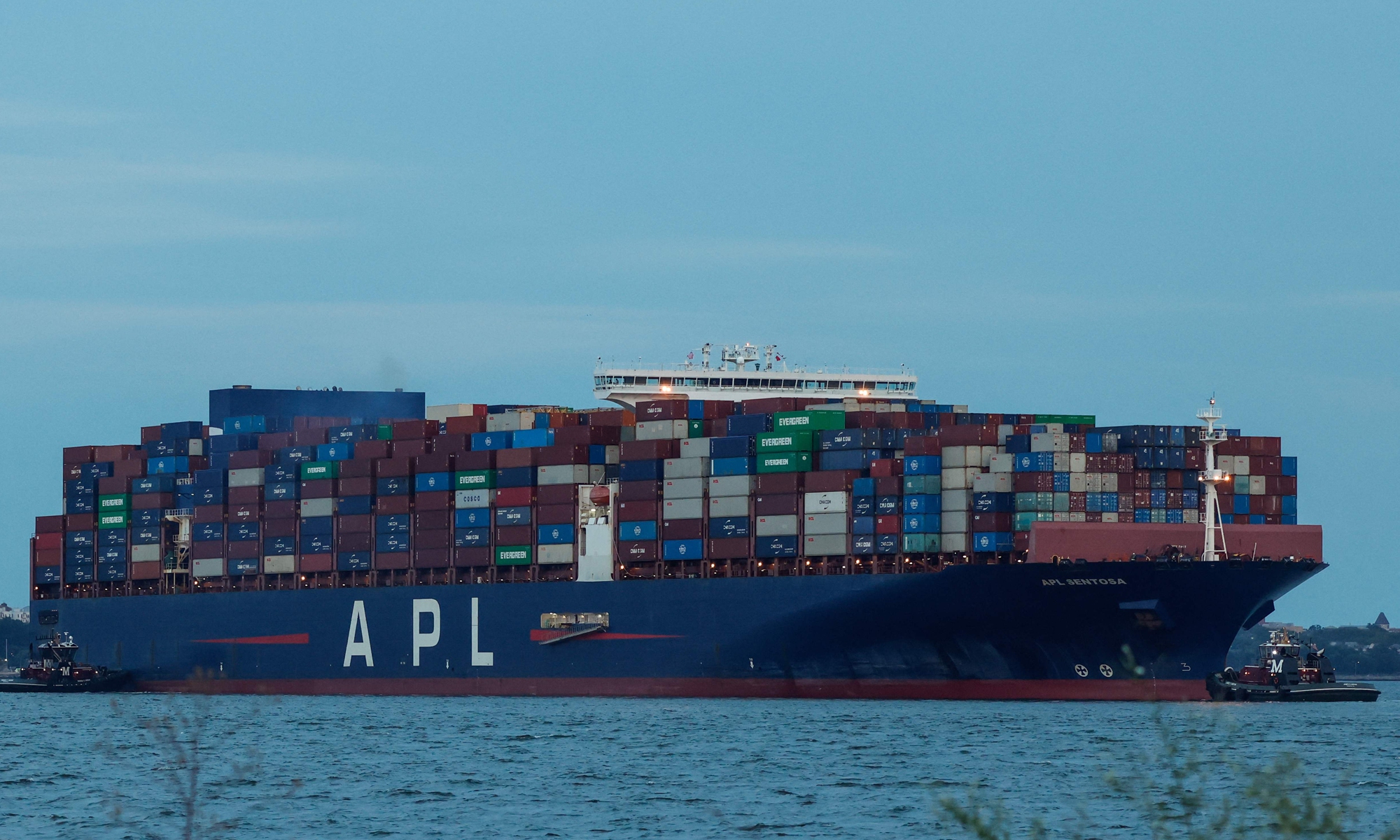
Trade File photo: VCG
Months-long American export license delays are costing the US billions in exports and eroding American market share globally, the US-China Business Council (USCBC) said in a flash survey released on Tuesday.
The survey noted that poorly calibrated US export controls weaken American companies in China, ceding market share to foreign competitors while reducing the profits available for research and development (R&D).
Designed originally to safeguard national security and serve legitimate foreign policy interests, the US export licensing system has become increasingly politicized, gradually turning into a political tool that obstructs normal economic and trade exchanges. The USCBC survey serves as a stark reminder of how such overreach has backfired on American companies.
In recent years, US politicians have clung to the misplaced belief that restricting exports of advanced goods and core technologies would slow the upgrading of China's tech industry and secure America's technological supremacy. Yet, they overestimated their leverage, while grossly underestimating the developmental resilience that China has built over decades of growth.
Today's China is no longer a passive follower or technology importer. Instead, it has grown into a robust innovation powerhouse with complete industrial chains and strong endogenous driving forces in numerous key technological sectors. Rather than stifling China's technological progress, America's escalating containment measures have only forced China to accelerate industrial upgrading and supply chain optimization.
In the meantime, while US politicians have been indulging in the illusion of building a "tech wall" through licensing restrictions, the self-inflicted damage to the US has grown increasingly impossible to ignore. Reuters reported in August 2025 that thousands of license applications by US companies to export goods and technology around the globe, including to China, were in limbo because turmoil at the agency in charge of approving them had left it nearly paralyzed.
The USCBC survey also listed license delays as the most common challenge identified by 95 percent of companies. For items bound for Chinese customers, two-thirds of companies have had licenses pending for at least three months, exceeding the US Commerce Department's statutory requirements to process applications within 90 days, and 31 percent have had licenses pending for one to two years.
As a result, American tech companies can only watch helplessly as orders that once belonged to them flow to suppliers in other countries. These licensing delays not only impose administrative costs far exceeding expectations, but also severely disrupt normal cross‑border commerce. From semiconductor components to high‑end industrial materials, and from aerospace ancillary products to cutting‑edge research instruments, countless routine trade transactions have been artificially severed. The market advantages that US firms took years to forge is being eroded by the very policies meant to protect them.
From a deeper economic perspective, the export licensing system is particularly lethal to America's innovation ecosystem. Usually, companies allocate a significant portion of their revenue to R&D and technological innovation. However, if the products resulting from these investments cannot be sold in a major market, investment returns will be affected, and the incentive for companies to continue investing in innovation will be undermined. As underscored by the USCBC survey, the export licensing regime diminishes America's ability to innovate and undermines US economic security.
In trying to contain China's industrial rise, the US has ended up undermining its own interests, laying bare the fundamental divide between two development paths. On one hand, the US attempts to fragment global industrial chains through administrative intervention, trade barriers and technological "decoupling" to sustain its dominant position. Yet, such obstructive practices only undermine the competitiveness of domestic industries and weaken America's own innovative vitality.
On the other side, China adheres to high-standard opening-up and win-win cooperation. By continuously opening its vast domestic market and providing foreign companies with a stable business environment, China has built a mutually beneficial global industrial collaboration network. China understands that genuine competitiveness comes from sustained independent innovation, sophisticated industrial supporting systems and market vitality. Precisely because China has chosen to expand openness and deepen cooperation, it has demonstrated remarkable resilience in the face of external containment and constructed a globally integrated supply network.
。
실종 외국인에 인도인 105명 포함…한국인 8명도 연락 두절 홍수 덮친 네팔 바그마티주[AFP=연합뉴스. 재판매 및 DB 금지](자카르타=연합뉴스) 손현규 특파원 = 히말라야 산악지대에 있는 네팔 중북부 지역에서 대규모 홍수가 발생해 19명이 숨지고 외국인 290여명을 포함한 여행객 380명가량이 실종됐다. 이곳에서 한국인 8명도 연락이 끊겼으며 또 다른 한국인 10명은 고립돼 구조를 기다리는 상태다. 26일(현지시간) 로이터·AP 통신 등에 따르면 이날 오전 9시께 네팔 중북부 바그마티주 일대에서 대규모 홍수가 발생했다. 이 사고로 19명이 숨지고 외국인 291명과 네팔인 93명을 포함한 여행객 384명이 실종됐다고 네팔 경찰과 관광청은 밝혔다. 그러면서 실종된 외국인 중에는 인도인 105명이 포함됐다고 덧붙였다. 수닐 샤르마 네팔 관광청 대변인은 실종된 외국인 관광객들이 인도, 호주, 네덜란드, 미국, 말레이시아, 영국, 남아프리카공화국 등 여러 국가 출신이라고 설명했다. 한국 외교부도 바그마티주 라수와 지역에서 발생한 홍수로 수력발전소를 건설하던 한국남동발전과 두산에너빌리티 소속 한국인 직원 8명의 연락이 두절됐다고 밝혔다. 두산에너빌리티 소속 또 다른 한국인 10명도 현지에서 고립돼 구조를 기다리고 있으며 네팔 정부는 사고 현장에 헬기를 투입했다. 바그마티주 경찰 대변인인 라젠드라 프라사드 다말라는 EFE 통신에 "현재까지 확인된 사망자 수보다 더 늘어날 것"이라고 우려했다. 사고 지역은 수도 카트만두에서 북쪽으로 120㎞가량 떨어진 곳으로 히말라야산맥에 있는 중국 티베트 자치구와의 국경 지역이다. 이날 라수와 지역에 있는 보테코시강이 범람하면서 인근 여러 마을을 덮쳤고, 도로와 수력 발전 시설 등이 파손됐다. 사스미트 포카렐 네팔 정부 대변인은 "(주변국인) 인도와 중국에 구조 활동 협조를 요청했다"고 말했다. 이번에 가장 큰 피해가 발생한 라수와 지역에서는 지난해 8월에도 유사한 돌발 홍수가 발생한 바 있다. 당시 산악 지역 고온으로 인접한 티베트의 빙하 호수가 넘쳐흘렀고 9명이 숨졌다. 또 양국을 연결하는 다리를 비롯한 주요 기반 시설이 파손됐다. 카트만두에 본부를 둔 통합산악발전국제센터(ICIMOD) 소속 기후 전문가들은 이날 돌발 홍수가 빙하에서 발생한 눈사태가 원인이었을 가능성이 높다고 진단했다. ICIMOD 소속 한 전문가는 보테코시강의 지류인 렌데 콜라강이 이날 최대 수위를 기록했다며 "렌데 콜라강은 1년 2개월 만에 두 번째 범람했다"고 설명했다. 그러면서 "이번에는 네팔 쪽 빙하에서 발생한 얼음과 바위가 강을 막아 하류로 갑작스러운 물살을 쏟아낸 상황이 원인"이라고 덧붙였다. 아시아 인구 20억명가량의 주요 물 공급원인 히말라야산맥은 온난화로 빙하가 녹아 없어지는 속도가 21세기 들어 2배 이상 더 빨라졌다. 이 지역의 빙하 두께는 2000년 이전에는 연평균 34㎝씩 줄었으나 2000년 이후부터는 연간 73㎝씩 2배 이상 빨리 줄어든 것으로 조사됐다. 홍수 일어난 네팔 보테코시강[AFP=연합뉴스. 네팔 경찰 제공. 재판매 및 DB 금지]
[email protected]。
Current article:http://cuozubeishenjingli.cfd/d5e2s5/20260826/8982.html
Published on:10:59:24